
The MCR Framework I use to Create Content that Turns into Leads
Full breakdown of the exact workflow and prompts—plus how you can use it too.
A few weeks ago, I almost quit creating content online.
I had gotten overwhelmed by how long it took to turn one idea into something publishable, let alone something good enough to drive leads.
Then I changed one thing – I started using AI as a content partner.
Here is everything that has happened since then:
I have had some of my posts go viral
I gained over 300 new followers
Added 50+ newsletter subscribers
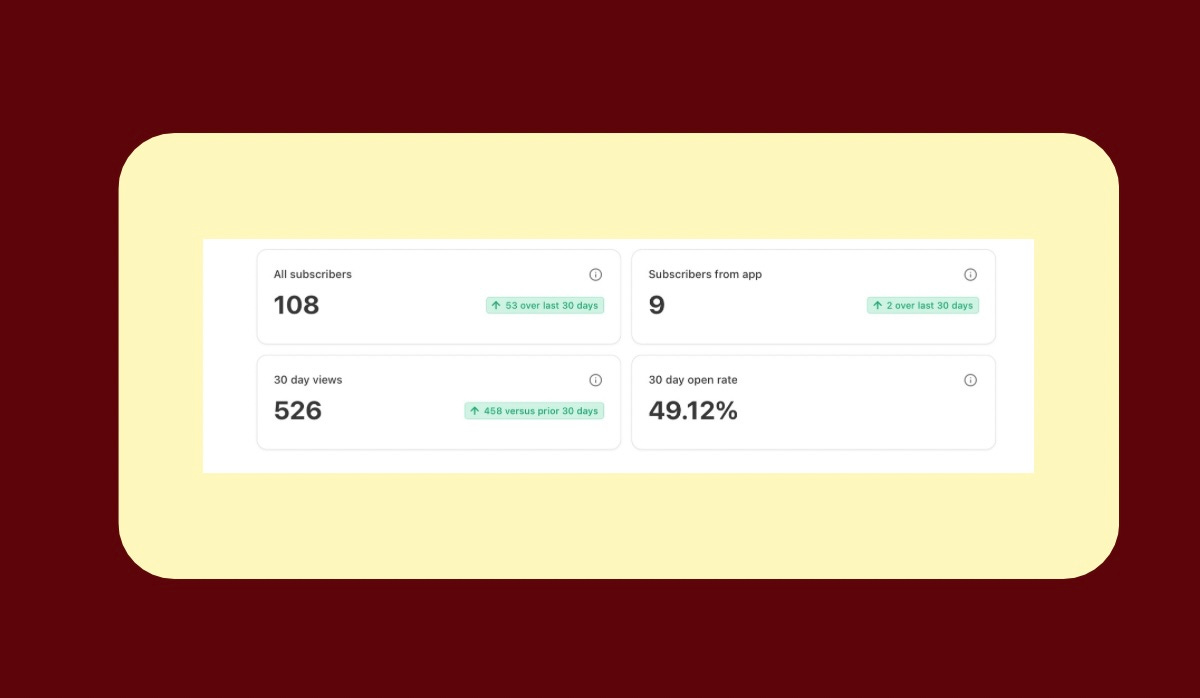
Booked three prospect calls.
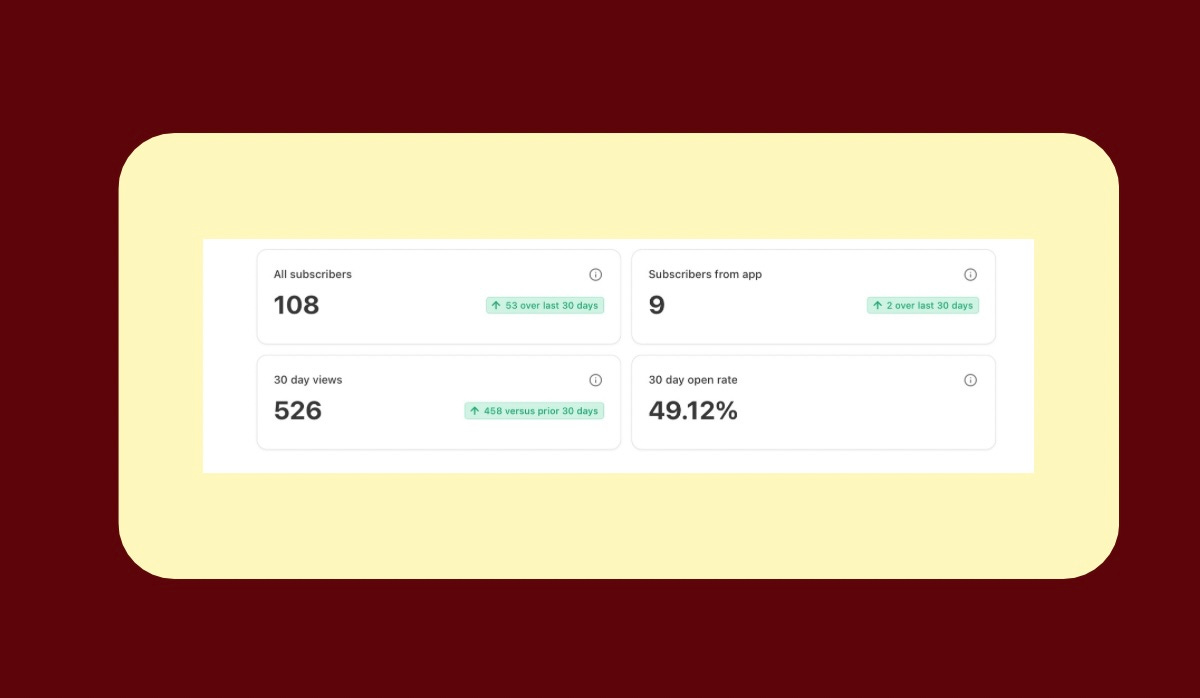

And closed one client.
All from running my same ideas through a smarter, faster, AI-powered content system.
I didn’t change what I was saying. I changed how I was creating and distributing it.
And that’s what I’m breaking down for you today:
The AI-powered system I use to go from raw idea → published post → distributed content → real results without losing my voice or burning out.
If you’re part of a lean content team, a startup founder trying to figure out marketing, or just a self-employed marketer trying to do more with less, this is for you.
Why my previous strategy wasn't working and what I did about it.
My standard for what my content should be is very high and I was pouring hours into creating content manually—editing, rewriting, designing, overthinking. Eventually, this was no longer sustainable.
I couldn’t keep up with the output I wanted. And although it was translating to growth, it was slow.
So I paused and reviewed my workflow. Two things became obvious:
→ I was spending too much time creating content
→ And barely any time distributing it
That imbalance was costing me growth.
In marketing, distribution is the moat.
It’s how your content becomes a growth engine, not just a nice post that disappears after 24 hours.
So I changed my strategy.
I rebuilt my system to focus on where and how my content shows up not just how polished it looks in the drafts folder.
From creation-first to distribution-first
Old flow: Spend hours writing → post once → move on to the next post.
New flow: Use AI to cut down creation time → break content into multiple formats → distribute across channels
Here’s how I use different AI tools:
I currently mainly use three AI tools. I’ve tried a couple of others but these 3 have worked best for me.
ChatGPT: I use this the most. I’ve found that the leverage ChatGPT has for me, is that it was the first AI tool to enter the market. Overtime, it has picked up my style and is closer to sounding like me than the other tools. I use ChatGPT to flesh out my scribbles, build a world around my ideas, make suggestions, cleanups and in some cases, write.
Claude: I use Claude to critique my ideas or writings when I want pure honesty. Unlike ChatGPT, Claude is more direct with feedback.
Deepseek: I use deepseek when I am looking for an angle that’s outside the box. Deepseek’s responses are likelier to be different from what ChatGPT and Claude would suggest.
The AI workflow I use to create content that drive leads.
Here’s a breakdown of what my current process looks like:
Idea → Rough Draft → Prompt → Critique → Final
I start with an idea of what I want to write. This can come from anywhere—a trending conversation, a LinkedIn post, a tweet, a question from my audience.
Then, I make a scribble or rough draft of that idea in Google Docs. I raraly let AI write for me from scratch. This is because your initial thinking shapes everything else and your voice is strongest when it starts with you.
Once I have my rough draft down, I move on to prompting. This is where AI becomes my content partner.
Good prompting is a creative skill and something I believe every marketer should learn to do well. Your prompts are only as strong as your taste, experience, and clarity of thought. But the better your prompts, the better the results you will get.
After prompting, I enter the critique phase. This is where I ask AI to poke holes in my writing or process. I use it to look for gaps, assumptions, or better ways to say something.
Then, after a few more tweaks, I polish it up and move to the final version.
The CMR Framework (How I Prompt for Better Content)
Understanding how to prompt LLMs is an art and since there are so many different use-cases, I came up with a simple 3-step prompt framework that you can also replicate: the CMR framework
Context ➝ Material ➝ Refine1. Context
I give the AI deep context about what I am trying to create or talk about — who my audience is, my goal for that content, my preferred tone, the problem I’m trying to solve. I avoid using vague prompts like “Write me a post about X or Y.”
A hack I've found works really well in the ”context phase” is to write it out exactly like you speak.
You are not looking for something overly polished here. You want to be as raw and detailed as I can be. Think of it like the process of sharpening a blunt knife. It's rough when you start but as you keep at it, you get a really sharp knife at the end.
Here’s an example of something I’ll send in:
“I'm writing a newsletter targeted to content marketers, founders and growth people who want to understand how to use content to drive leads. For this edition, I will be sharing how I use AI in my workflow to improve my content ideation and execution process. I need you to help me build out pain points that they might have regarding this topic that I can address in the newsletter, give me new, non-generic refreshing angles to write from, analyze their intent and share with me, then create an outline that matches their intent when they click open to read the newsletter”
2. Material
This is where I give AI something what to work with.
I always create a source rough draft or idea dump to AI first.
This makes sure that it understands how I sound, my tone of voice, and then tailors it’s response to the context and direction I'm trying to go with my content, however making it better.
If you are scared of AI losing your tone of voice, this is one way to make sure your ideas, your voice, and opinions are fully captured. All AI needs to do is enhance it.
However, if your material is lazy and your prompting is bad, you will get lazy responses.
3. Refine
Now, here is the part most people skip. They take the first answer they get and just go.
Don't do this. Make sure to tweak things, ask follow-up questions, dig deeper.
Curiosity is a very important trait when using these LLMs.
The first response you get from AI would usually do one of these three things:
Open your eyes to a better angle
Show you what’s missing in the existing version
Help you reframe your original thought with better perspective
The smart thing to do is to build off that context, unless it’s exactly what you want, never go with the first version.
Now we've figured out how content creation with AI is simplified, let's talk distribution
In marketing, distribution boils down to three questions:
Who needs to see this?
Where do I find them?
How do I present this to grab their attention?
Distribution is where every content strategy should start, because if you nail it, you’ve already won half the battle.
1. Who Needs to See This?—Use AI to Define Audience Segments
Before I publish anything, I want to know exactly who I’m speaking to.
I’ll drop a prompt like this into ChatGPT:
“Here’s a rough draft of a post I wrote: [insert content]. Based on this, help me identify 3 specific types of people who would find this valuable, what they’re struggling with, and what stage of awareness they’re in.”
This helps me go deeper than vague personas like “marketers” or “founders.”
Instead, I walk away knowing:
What they’re Googling at 1 a.m.
What pain points they need solved now
How this post fits into their current level of awareness
It’s like turning on a flashlight inside your ideal reader’s head.
2. Where Do I Find Them? — Use AI to Suggest Channels + Communities
Once I know who I’m speaking to, the next question is where they’re already hanging out.
So I’ll prompt:
“For each of the 3 audience types you identified, list where they’re most active online—LinkedIn groups, Substacks, Slack channels, Twitter accounts, communities,”
This becomes my distribution map.
It tells me:
Where to post
Where to comment
Where to pitch collaborations or newsletter swaps
Now I’m not just throwing content into the void, I’m placing it where it has the best chance to land.
3. How Do I Present It? — Use AI to Remix Content into Platform-Native Formats
One post, multiple formats.
Here’s an example prompt I use here:
“Take this content [insert post]. Rewrite it as:
A LinkedIn hook
A tweet thread
A one-sentence teaser for an email
A callout for a short video
This saves me so much time and helps me stay consistent across platforms without starting from scratch each time.
My current content distribution flow looks like this:
Map audience and intent using AI
Generate distribution plan by platform
Use AI to repurpose content natively
Schedule + track what worked
Rinse. Repeat.
Using AI Is Not Cheating
I’ve spoken with a number of marketers and content leaders and I've found there is still hesitation in some quarters about embracing LLMs.
I think the fear is unfounded. Fundamentally, nothing about how we do marketing has changed, things simply got better.
The leverage AI gives, especially for small content teams is not just about creating faster, it's also being able to move from idea to execution with speed and precision.
I’ve been experimenting with tools like Replit. I built a personal website + LinkedIn scraper tool with prompts. I documented it here.
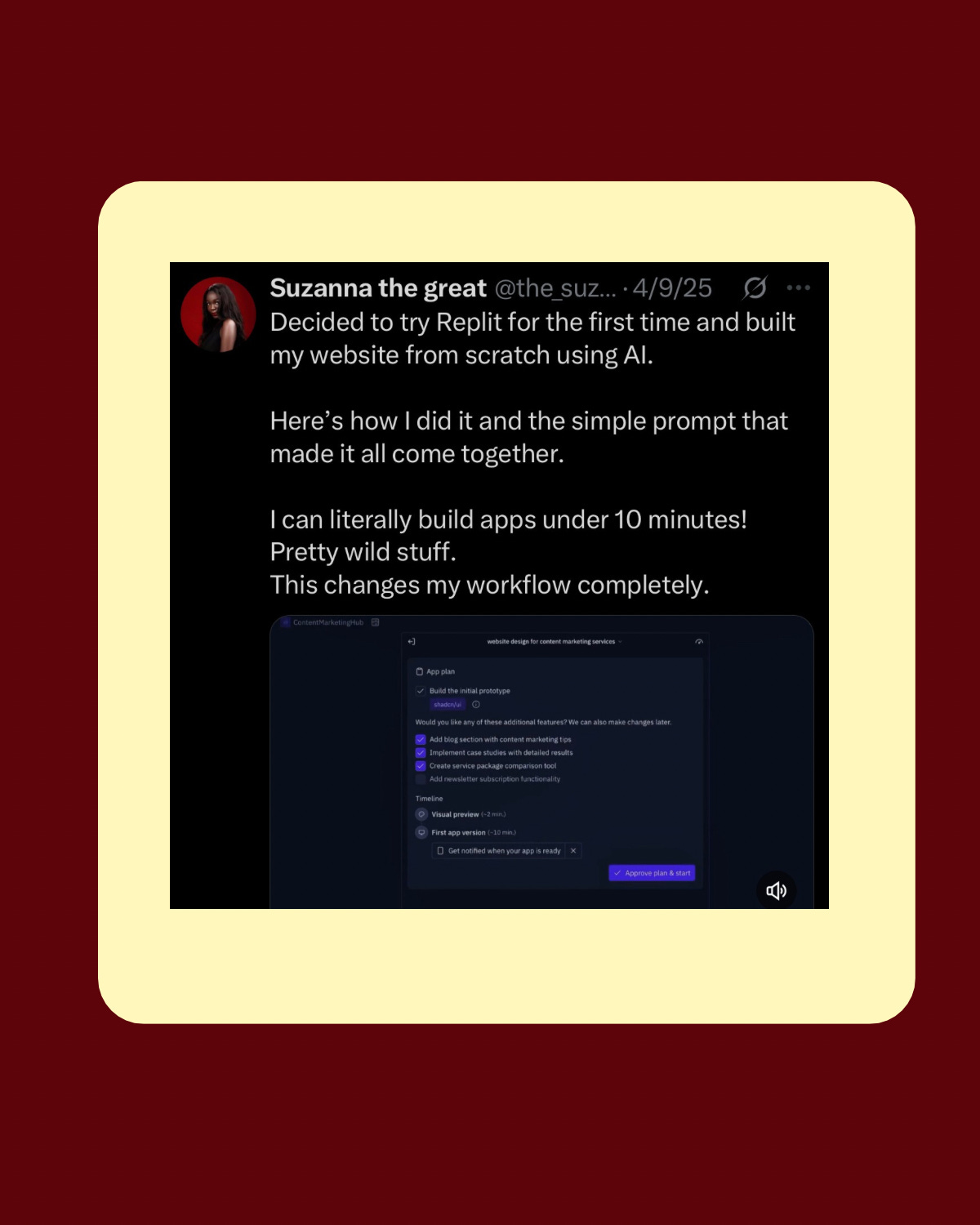
It’s insane how much leverage I have now as a non-technical person because of these tools. We are entering into an era built for marketers — people who can write and distribute really well.
I've been seeing other marketers also share their flow in a thing that is being called “Vibe Marketing”.
Here is Marketing and Growth Lead at Chatbase documenting how she’s vibe-coding her marketing workflows.
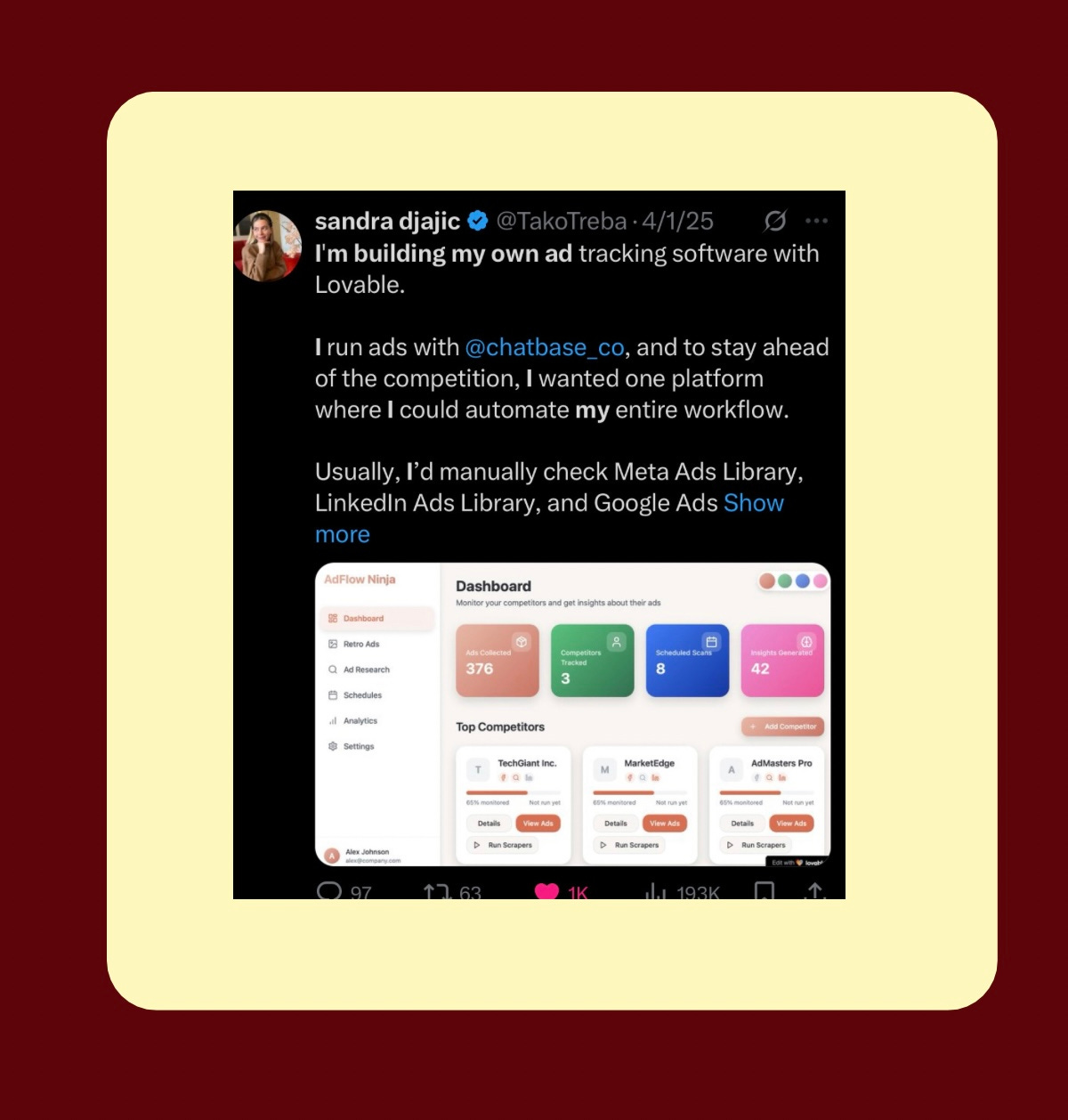
Zoom out, and you’ll see:
Marketing is full of repeatable processes.
→ Write a blog post, create a social post, write an email flow
→ Schedule it
→ Repurpose
→ Promote
You don’t need more content.
You need smarter systems to get your content seen.
And with AI, you can build those systems without burning out.
When you build systems, your real strength becomes the quality of your ideas not how long you spend creating them.
Resources to Help You Go Deeper:
[Video] The Boring Marketer’s Breakdown on Creating High-Quality AI Content
[Article] Ahrefs' Guide to Using AI for writing high-quality, SEO friendly articles.
[Thread] This X thread shares dozens of real AI content use-cases from marketers
[Let’s Talk] If you’re trying to grow on LinkedIn but don’t know where to start, book a strategy session here.
[For Founders] Building your startup and need help with your content strategy? Let’s map it out, book a free call here.
Share This With Someone
If you found this helpful, forward it to a friend, colleague, or your team.
Until next edition,
Suzanna